Algeria is the largest country in Africa, and for most travellers it is still a blank page. That is what makes it exciting — and why a little preparation goes a long way. This guide gathers the essentials our team shares with every traveller before a first visit. For details, follow the links to our in-depth guide pages.
Algeria in brief
- Capital: Algiers. Other major cities: Oran, Constantine, Annaba, Tlemcen, Béjaïa.
- Area: about 2.38 million km², more than four-fifths of it Sahara.
- Languages: Arabic and Tamazight (official); French widely spoken.
- Currency: Algerian dinar (DZD). Bring euros in cash.
- Time zone: UTC+1 all year. Weekend: Friday–Saturday.
- Electricity: 230 V, European plugs (types C and F).
Where to go
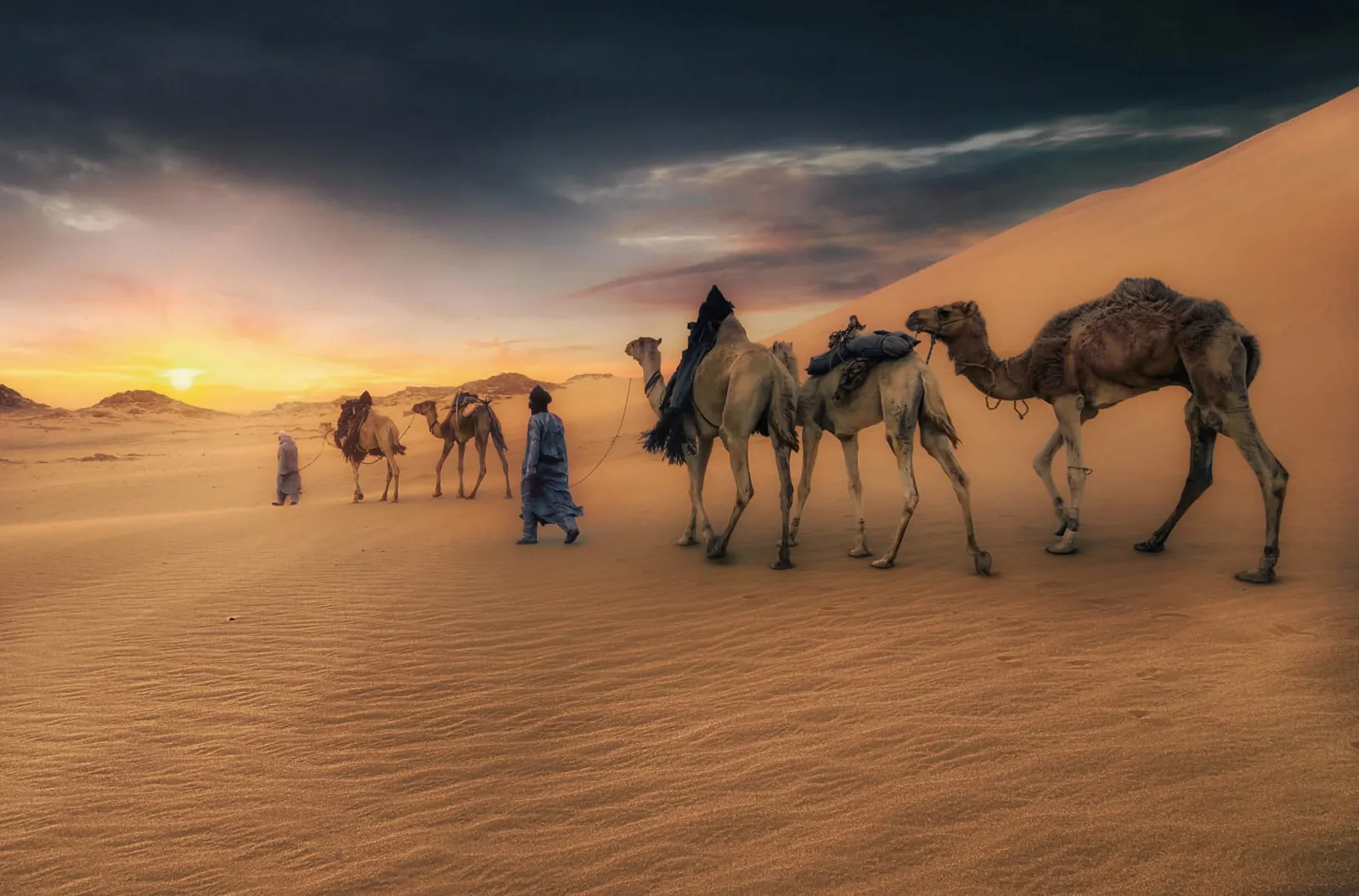
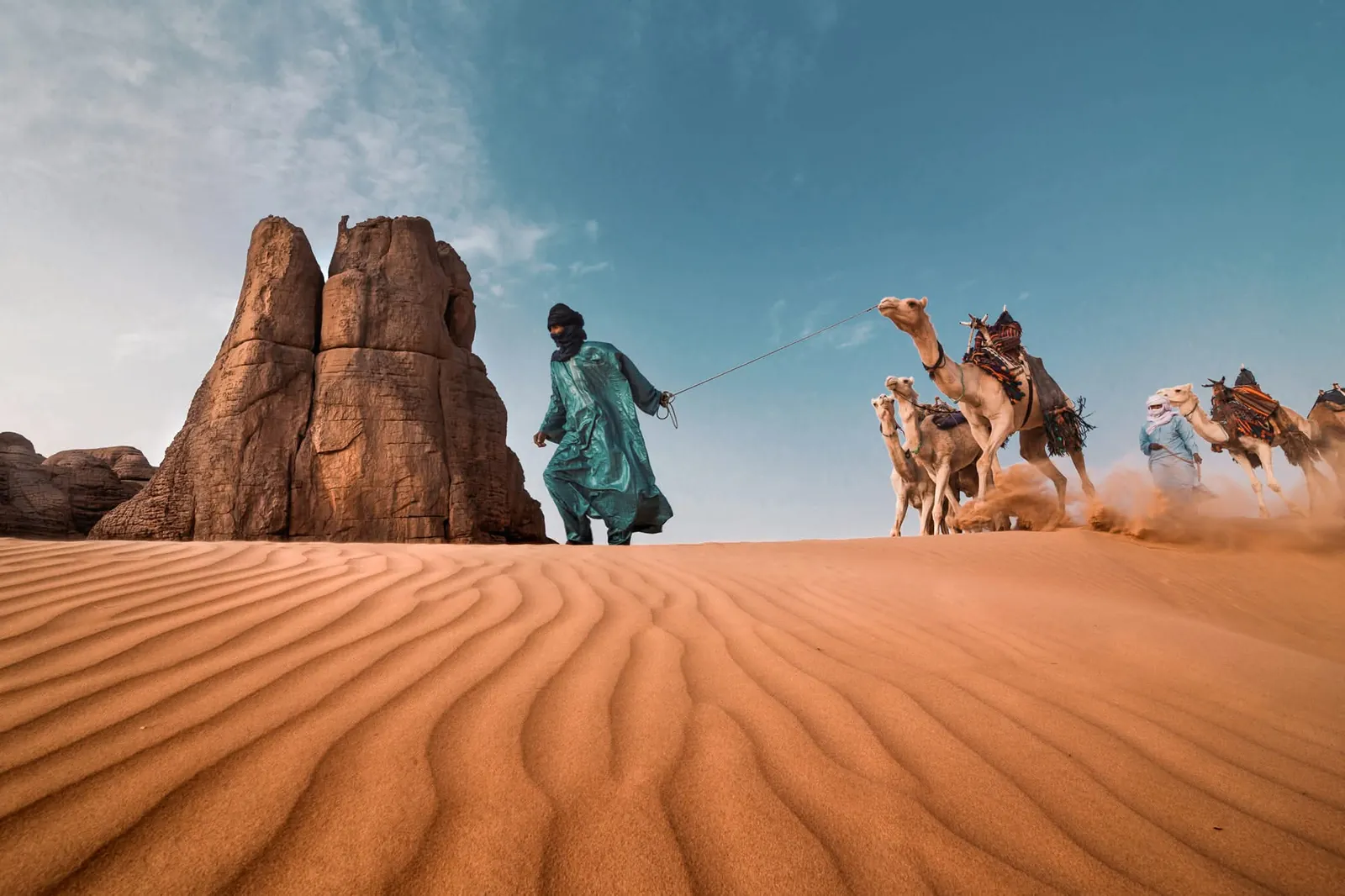
Think of Algeria in three parts. The Mediterranean north holds the cities and the Roman heritage: the Casbah of Algiers, Tipaza by the sea, Constantine's bridges, Djémila and Timgad, Oran and Tlemcen in the west. The northern Sahara is the land of oases and great dunes: Ghardaïa and the M'zab Valley, Taghit, Timimoun. The deep south holds the most spectacular landscapes: the Tassili n'Ajjer and Tadrart Rouge around Djanet and the Hoggar around Tamanrasset. Read the best places to visit in Algeria and browse all destinations.
When to go
For the Sahara, the season runs from October to April; summer is far too hot. The north is best in spring (March–June) and autumn (September–November), and the coast is for summer swimming. A classic combination is a few days in the north followed by a week in the desert. Our article on the best time to visit Algeria goes month by month.
Visa and entry
Most nationalities need a visa obtained in advance from the Algerian consulate where they live, with supporting documents such as an invitation or booking and travel insurance. For trips mostly in the Sahara, the UK and US governments indicate that a visa on arrival may be possible at some airports with a confirmed booking through an approved Algerian agency. Passports should be valid at least six months after arrival. Rules change — read our practical information (checked 19 October 2026) and confirm with your consulate. This is general information, not legal advice.
Getting there and around
Most international flights land in Algiers; Oran and Constantine also have international connections. Inside the country, domestic flights link Algiers with Saharan towns such as Djanet, Tamanrasset, Ghardaïa, Béchar and Timimoun. In the north, trains and comfortable roads connect the main cities; a car with driver is the easiest way to combine sites. In the desert you travel by 4x4 with a local driver and guide, as part of an organised trip. See getting around.
Money matters
Cards are accepted only in some large hotels and shops, and ATMs that take foreign cards are rare. Bring euros in cash, exchange at banks or official offices and keep receipts. Declare foreign currency on arrival. On an organised trip, accommodation, transport, guides and desert meals are prepaid, so you only need money for drinks, souvenirs and tips. Our circuits show a "from" price per person on each page; tailor-made trips are quoted on request.
Safety and travel advice
Travellers often describe Algerians as exceptionally welcoming. Governments nevertheless publish specific advice for border areas and parts of the far south, which can affect insurance. As of 19 October 2026, the US rates Algeria Level 2 ("Exercise increased caution") with higher levels for some southern provinces; the UK advises against travel near several borders; France advises against the south and east. Read the summary on our safety page and your own government's advice before booking.
Culture and etiquette
- Greet before you ask; a few words of Arabic or French are appreciated.
- Dress modestly in towns and religious places.
- Ask before photographing people; never photograph military or police sites.
- Accept tea when offered, and use your right hand to eat and give.
- Respect Ramadan by not eating or drinking in public during the day.
More in our guide to culture and heritage.
Sample itineraries
- One week: Algiers (1 night) and a five-day Sahara circuit from Djanet.
- Ten days: Algiers and Tipaza, Ghardaïa and the M'zab, then the Tassili or Tadrart.
- Two weeks: Algiers, Constantine with Djémila and Timgad, Ghardaïa, then the deep south.
See detailed examples in the Algeria travel planning guide.
Travelling with SEFAR Aventure
Our team has been rooted in Djanet since 1980 and in Algiers since 2006. We organise small-group circuits and tailor-made trips, handle visa documents and desert authorisations, and travel with our own guides, drivers and cooks. Tell us your dates and interests and we will send a day-by-day proposal within two working days.
Sources and checks: UK FCDO travel advice for Algeria (updated 25 September 2026); US Department of State travel advisory for Algeria (25 August 2026); France Diplomatie, Conseils aux voyageurs: Algérie; UNESCO World Heritage Centre. Consulted on 19 October 2026.